
Artificial Intelligence (AI) has revolutionized numerous fields, and voice synthesis is no exception. AI voice synthesis, also known as text-to-speech (TTS), is the process of converting text into human-like speech using artificial intelligence. This technology has rapidly evolved, offering a wide range of applications from virtual assistants and accessibility tools to content creation and entertainment. In this comprehensive guide, we will explore the fundamentals of AI voice synthesis, delve into the techniques and tools available, and provide insights on how to optimize this technology for your specific needs. Whether you're a developer, content creator, or simply curious about the capabilities of AI, this article will provide a thorough understanding of AI voice synthesis.
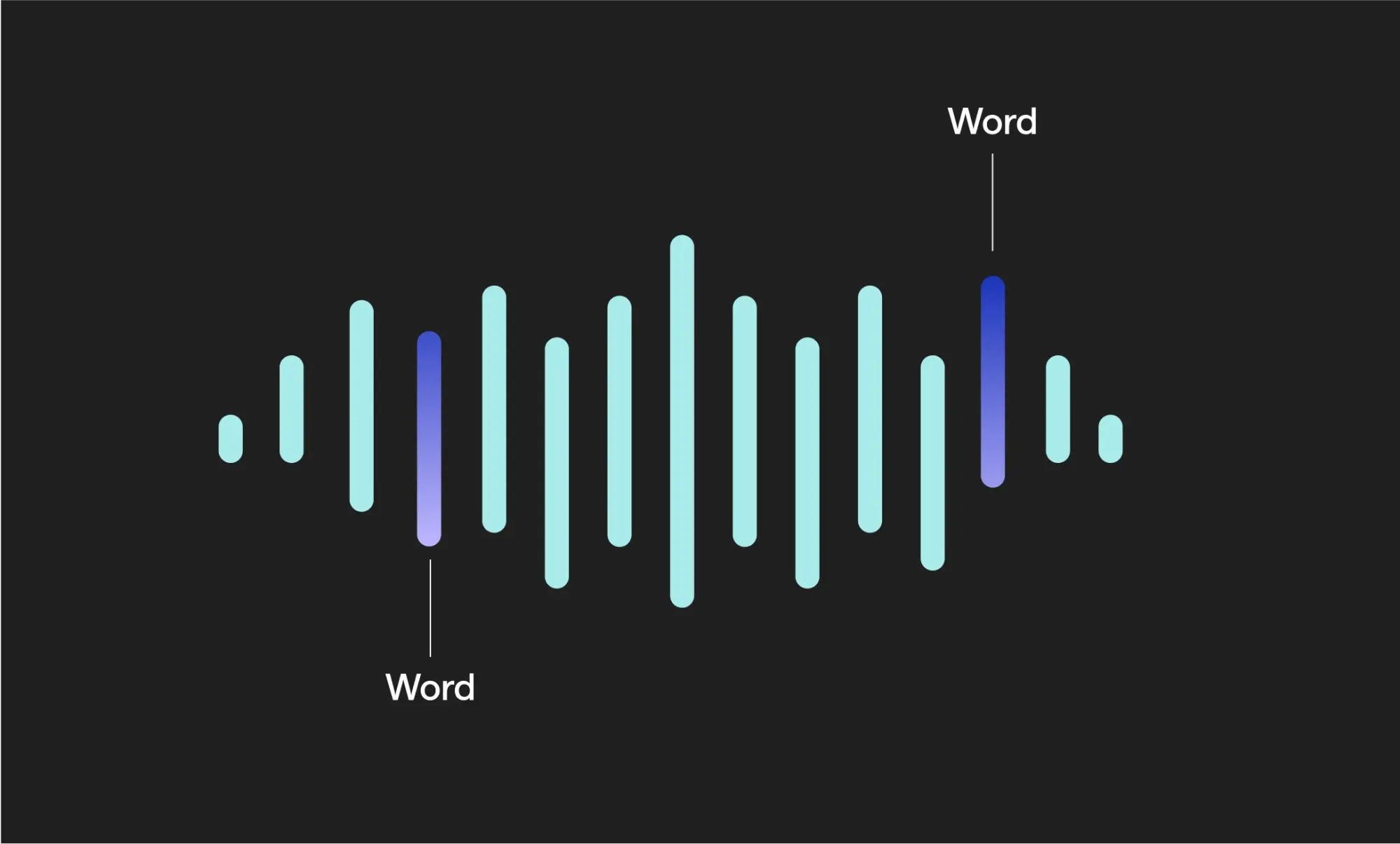
Understanding the Basics of AI Voice Synthesis
How AI Learns to Mimic Human Speech
At the heart of AI voice synthesis lies sophisticated machine learning algorithms that enable computers to understand and replicate human speech patterns. The process begins with training the AI model on vast datasets of recorded speech, encompassing diverse accents, tones, and speaking styles. Through this training, the AI learns to associate specific text inputs with corresponding audio outputs, gradually refining its ability to generate realistic and natural-sounding speech.
The key to this learning process is the use of neural networks, particularly deep learning models, which are designed to mimic the structure and function of the human brain. These networks consist of interconnected nodes that process and transmit information, allowing the AI to identify complex relationships between text and speech. As the AI is exposed to more data, it becomes increasingly adept at predicting the correct pronunciation, intonation, and rhythm for any given text.
Furthermore, AI voice synthesis models often incorporate techniques such as phoneme analysis, which involves breaking down words into their individual sound units. By understanding how each phoneme is pronounced and how they combine to form words, the AI can generate speech that is both accurate and intelligible. Additionally, the models may take into account contextual information, such as the surrounding words and the overall meaning of the sentence, to ensure that the synthesized speech is appropriate and natural-sounding.
Different Types of AI Voice Synthesis Techniques
AI voice synthesis has evolved significantly over the years, leading to the development of various techniques, each with its own strengths and limitations. Here are some of the most prominent methods:
- Concatenative Synthesis: This technique involves piecing together pre-recorded segments of human speech to create new utterances. While it can produce highly natural-sounding results, it requires a large database of recordings and may struggle with novel or unusual phrases.
- Formant Synthesis: This method uses mathematical models to simulate the acoustic properties of the human vocal tract. It is highly flexible and can generate a wide range of voices, but it often lacks the naturalness of concatenative synthesis.
- Parametric Synthesis: This approach combines elements of both concatenative and formant synthesis, using statistical models to represent the characteristics of speech. It offers a good balance between naturalness and flexibility.
- Deep Learning-Based Synthesis: This is the most recent and advanced technique, leveraging deep learning models to generate speech directly from text. It has achieved remarkable results in terms of naturalness and expressiveness, and is rapidly becoming the dominant approach in AI voice synthesis.
Within deep learning-based synthesis, several architectures have emerged as particularly effective:
- WaveNet: Developed by Google's DeepMind, WaveNet is a deep neural network that generates raw audio waveforms directly, producing highly realistic and natural-sounding speech.
- Tacotron: Another Google innovation, Tacotron, uses a sequence-to-sequence model to convert text into spectrograms, which are then converted into audio using a vocoder.
- Transformer-Based Models: These models, such as Transformer TTS, leverage the Transformer architecture to capture long-range dependencies in text, resulting in more coherent and expressive speech.
The Impact of Data Quality on Voice Synthesis Accuracy
The accuracy and naturalness of AI voice synthesis are heavily dependent on the quality of the data used to train the AI models. High-quality data is characterized by several factors:
- Clarity: The audio recordings should be clear and free from noise, distortion, or other artifacts that could interfere with the AI's ability to learn the underlying speech patterns.
- Accuracy: The transcriptions of the audio recordings should be accurate and consistent, ensuring that the AI is learning the correct associations between text and speech.
- Diversity: The dataset should include a wide range of speakers, accents, and speaking styles, allowing the AI to generalize well to different types of voices and speaking patterns.
- Balance: The dataset should be balanced in terms of different phonetic sounds and linguistic structures, preventing the AI from becoming biased towards certain types of speech.
When training data is of poor quality, the resulting AI voice synthesis can suffer from a variety of problems, including:
- Inaccurate Pronunciation: The AI may mispronounce words or phrases, leading to speech that is difficult to understand.
- Unnatural Intonation: The AI may produce speech that sounds monotone or robotic, lacking the natural variations in pitch and rhythm that characterize human speech.
- Limited Expressiveness: The AI may struggle to convey emotions or nuances in its speech, resulting in a voice that sounds flat and unengaging.
- Bias: The AI may exhibit biases towards certain accents or speaking styles, producing speech that is less accurate or natural for speakers who do not conform to these norms.
Therefore, it is crucial to invest in high-quality data when developing AI voice synthesis systems. This may involve carefully curating existing datasets, recording new data with professional equipment, and employing rigorous quality control measures to ensure accuracy and consistency.
Choosing the Right AI Voice Synthesis Tool
Factors to Consider When Selecting a Voice Synthesis Platform
Selecting the right AI voice synthesis tool is a critical decision that can significantly impact the quality and effectiveness of your project. With a plethora of options available, it's essential to consider several key factors to ensure that the chosen platform aligns with your specific needs and goals. Here are some of the most important considerations:
Comparing Popular AI Voice Synthesis Software Options
The market for AI voice synthesis software is rapidly expanding, with numerous vendors offering a diverse range of features and capabilities. Here's a comparison of some of the most popular options:
- Google Cloud Text-to-Speech: Google's offering is known for its high-quality voices and extensive language support. It also offers advanced features such as voice customization and emotion control.
- Amazon Polly: Amazon Polly provides a wide range of voices and languages, as well as a pay-as-you-go pricing model. It is well-integrated with other Amazon Web Services (AWS).
- Microsoft Azure Text to Speech: Microsoft's platform offers a comprehensive set of features, including custom neural voices and real-time voice synthesis. It is tightly integrated with other Azure services.
- IBM Watson Text to Speech: IBM Watson Text to Speech provides a robust set of features, including voice customization and emotion control. It is well-suited for enterprise applications.
- Murf.ai: Murf.ai is a user-friendly platform that offers a wide range of AI voices and customization options. It is popular among content creators and businesses.
- Synthesia: Synthesia focuses on creating AI videos with realistic avatars and voiceovers. It is a good option for businesses looking to create engaging video content.
Each of these platforms has its own strengths and weaknesses, so it's important to carefully evaluate your needs and priorities before making a decision.
Cost Analysis: Free vs. Paid AI Voice Synthesis Services
When choosing an AI voice synthesis service, cost is a significant factor to consider. Both free and paid options are available, each with its own set of advantages and disadvantages.
Free AI Voice Synthesis Services:
Free services are often limited in terms of features, voice quality, and usage. They may also impose restrictions on the length of the text that can be synthesized or the number of requests that can be made per month. However, they can be a good option for small projects or for testing out the technology before committing to a paid service.
Paid AI Voice Synthesis Services:
Paid services typically offer higher-quality voices, more features, and greater flexibility. They may also provide better customer support and more reliable performance. Paid services often come in the form of subscription models or pay-as-you-go pricing, allowing you to choose the option that best fits your budget and usage patterns.
Here's a breakdown of the typical cost factors to consider:
- Subscription Fees: Some services charge a monthly or annual subscription fee for access to their platform.
- Pay-as-You-Go Pricing: Other services charge based on the number of characters or minutes of audio synthesized.
- Custom Voice Creation: Creating a custom AI voice can be a significant investment, but it can be worth it for businesses that want to create a unique brand identity.
- API Usage: If you plan to integrate the voice synthesis service into your own applications, you may need to pay for API usage.
Ultimately, the best option for you will depend on your specific needs and budget. Carefully evaluate the features, voice quality, and pricing of different services before making a decision.

Optimizing AI Voice Synthesis for Your Needs
Tips for Creating Engaging and Natural-Sounding Voiceovers
Creating engaging and natural-sounding voiceovers with AI voice synthesis requires careful attention to detail. Here are some tips to help you achieve the best possible results:
Integrating AI Voice Synthesis into Your Existing Workflow
Integrating AI voice synthesis into your existing workflow can streamline your content creation process and save you time and money. Here are some ways to integrate this technology:
- Content Creation: Use AI voice synthesis to create voiceovers for videos, podcasts, and other audio content.
- E-Learning: Incorporate AI voices into e-learning courses and training materials to provide engaging and accessible content.
- Accessibility: Use AI voice synthesis to convert text into speech for users with visual impairments or other disabilities.
- Customer Service: Implement AI-powered chatbots with voice capabilities to provide automated customer support.
- Marketing: Create engaging audio ads and promotional materials using AI voices.
To integrate AI voice synthesis into your workflow, you'll need to choose a platform that offers the necessary APIs or SDKs. You'll also need to have some programming knowledge or work with a developer to implement the integration.
Troubleshooting Common Issues with AI Voice Synthesis
While AI voice synthesis has come a long way, it's not without its challenges. Here are some common issues and how to troubleshoot them:
- Unnatural Sounding Voice: If the voice sounds robotic or unnatural, try adjusting the voice settings, such as pitch, speed, and emphasis. You may also want to try a different voice or platform.
- Incorrect Pronunciation: If the AI mispronounces words, try using phonetic spellings or adding pauses before or after the word. You can also try using a different voice or platform that has better pronunciation capabilities.
- Lack of Emotion: If the voice lacks emotion, try using a platform that offers emotion control features. You can also try adding emphasis to certain words or phrases to convey emotion.
- Integration Problems: If you're having trouble integrating the voice synthesis service into your workflow, consult the platform's documentation or contact their customer support team for assistance.
By understanding these common issues and how to troubleshoot them, you can ensure that you get the most out of AI voice synthesis technology.
In conclusion, AI voice synthesis technology has transformed how we interact with machines and consume digital content. From enhancing accessibility to powering virtual assistants, its applications are vast and continue to grow. By understanding the underlying principles, exploring available tools, and optimizing the output, you can harness the power of AI to create engaging and effective voiceovers. As the technology evolves, we can expect even more realistic and expressive AI voices to emerge, further blurring the line between human and machine communication. Embrace this innovation, and unlock the potential of AI in voice technology.


Messenger