
In today's digital landscape, search engine optimization (SEO) is paramount for businesses striving to enhance their online visibility and attract organic traffic. Traditionally, SEO audits have been a labor-intensive process, requiring meticulous manual analysis and expertise. However, the advent of artificial intelligence (AI) has revolutionized this field, offering unprecedented efficiency and accuracy. This article delves into how AI is transforming SEO audits, providing a comprehensive overview of its current applications, key selection criteria for AI-powered tools, and future trends shaping the industry.

The Rise of AI in SEO Audits
Understanding Traditional SEO Audit Methods
Traditional SEO audits involve a multifaceted approach to evaluate a website's performance across various parameters. This includes assessing on-page elements such as keyword optimization, content quality, and meta tags, as well as off-page factors like backlink profiles and domain authority. Technical SEO aspects, such as site speed, mobile-friendliness, and crawlability, are also scrutinized. These manual audits often rely on human expertise, time-consuming manual checks, and a range of SEO tools to gather data and identify areas for improvement.
Typically, a traditional SEO audit encompasses several key steps:
- Keyword Research: Identifying relevant keywords to target.
- On-Page Optimization: Analyzing title tags, meta descriptions, and header tags.
- Content Analysis: Evaluating content quality, keyword density, and user engagement.
- Technical SEO: Checking site speed, mobile-friendliness, and site architecture.
- Backlink Analysis: Assessing the quality and quantity of backlinks.
However, traditional methods have inherent limitations. They are often resource-intensive, prone to human error, and may not scale effectively for large websites. The dynamic nature of search engine algorithms also means that audits need to be conducted regularly, making the manual approach unsustainable for many businesses.
Evolution of AI in SEO
The integration of AI into SEO marks a significant leap forward. AI technologies, particularly machine learning (ML) and natural language processing (NLP), offer the ability to automate and enhance various aspects of SEO audits. ML algorithms can analyze vast datasets to identify patterns and insights that would be impossible for humans to detect manually. NLP enables AI tools to understand and interpret content in a way that mimics human understanding, leading to more accurate and relevant recommendations.
Here’s how AI has evolved in SEO:
- Early Stages: Basic automation of tasks like keyword research and rank tracking.
- Machine Learning Integration: Use of ML to analyze data and predict search engine rankings.
- NLP Applications: Implementation of NLP to understand content relevance and user intent.
- AI-Powered Audits: Development of comprehensive AI tools that automate the entire audit process.
AI-driven tools can perform tasks like identifying keyword opportunities, analyzing competitor strategies, and detecting technical issues with greater speed and precision. Furthermore, AI can continuously monitor website performance and adapt SEO strategies in real-time, ensuring that websites remain optimized for search engines.

Current State of AI SEO Audit Tools
Today, a plethora of AI SEO audit tools are available, each offering a unique set of features and capabilities. These tools can automate various aspects of the audit process, including:
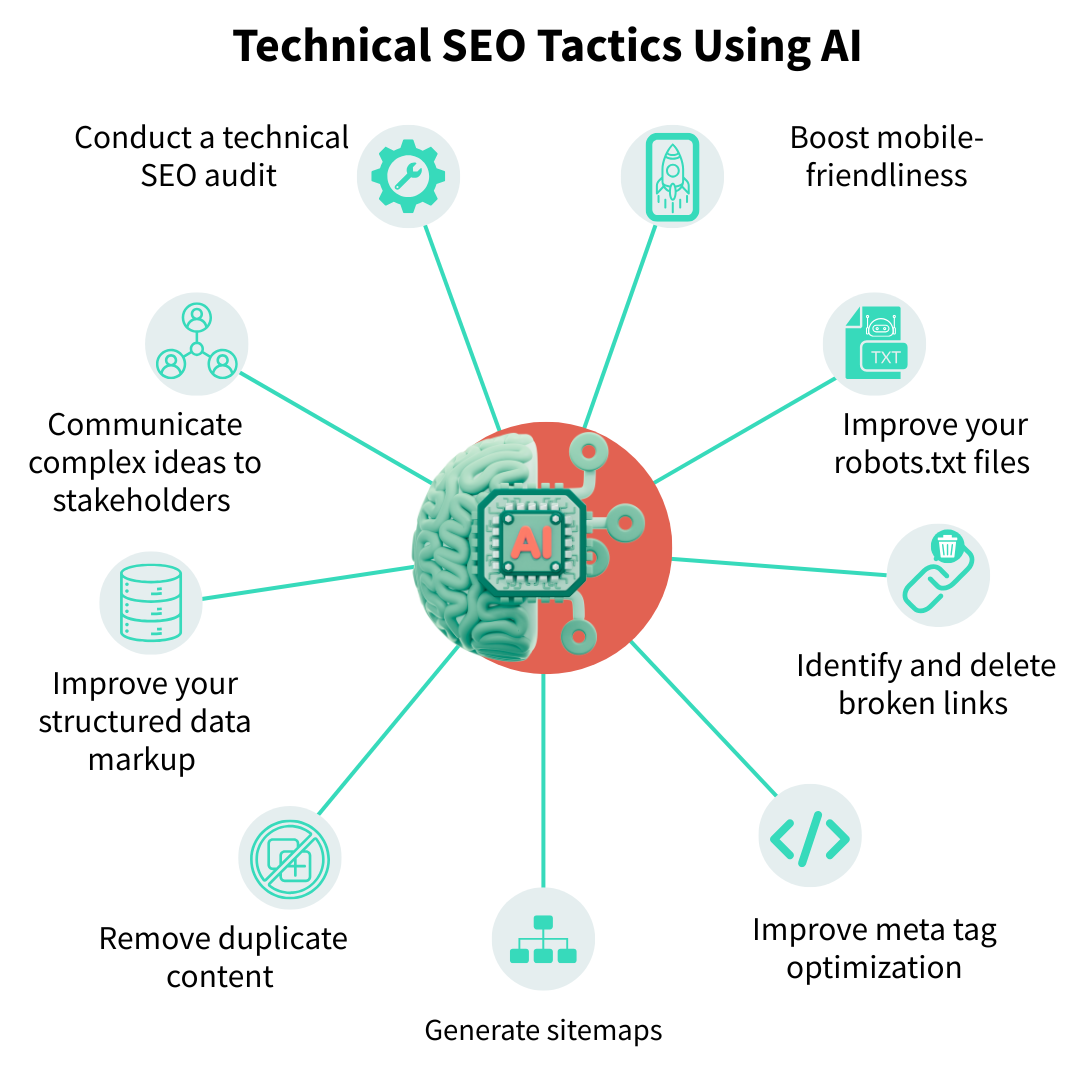
- Technical SEO Analysis: Identifying crawl errors, broken links, and site speed issues.
- On-Page Optimization: Evaluating content quality, keyword usage, and meta tag optimization.
- Off-Page Analysis: Assessing backlink profiles and identifying potential link building opportunities.
- Content Gap Analysis: Discovering content opportunities based on competitor analysis and keyword research.
AI tools also excel at providing actionable insights and recommendations. They can prioritize issues based on their potential impact on search engine rankings and suggest specific steps to address them. For example, an AI tool might identify a set of low-quality backlinks that are harming a website's reputation and recommend disavowing them.
Moreover, AI-powered platforms often integrate with other SEO tools and marketing platforms, providing a seamless workflow for SEO professionals. This integration allows for a more holistic approach to SEO, where audit findings can be directly translated into actionable strategies and campaigns.
Selecting the Right AI SEO Audit Tool
Key Features to Look For
Choosing the right AI SEO audit tool is crucial for maximizing the benefits of AI in SEO. Several key features should be considered when evaluating different platforms:
Additionally, consider the specific needs of your business. A small business with limited resources may benefit from a more streamlined, user-friendly tool, while a large enterprise with complex SEO requirements may need a more robust and customizable platform.

Comparing Popular AI SEO Audit Platforms
Several AI SEO audit platforms have gained popularity in recent years, each offering a unique set of features and benefits. Some of the leading platforms include:
- SEMrush: Known for its comprehensive suite of SEO tools, including site audit, keyword research, and competitor analysis.
- Ahrefs: Renowned for its backlink analysis capabilities and site explorer tool.
- Moz Pro: Offers a range of SEO tools, including site crawl, keyword ranking, and on-page optimization.
- Surfer SEO: Focuses on content optimization, providing real-time feedback on content relevance and keyword usage.
- BrightEdge: An enterprise-level SEO platform that uses AI to provide insights and recommendations.
Each of these platforms has its strengths and weaknesses. SEMrush and Ahrefs are particularly strong in technical SEO and backlink analysis, while Surfer SEO excels in content optimization. BrightEdge is a comprehensive solution for large enterprises but may be overkill for smaller businesses. A trial of several platforms to determine which best fits your needs is recommended.
Cost vs. Benefit Analysis
Investing in an AI SEO audit tool requires careful consideration of the costs and benefits. While these tools can significantly enhance the efficiency and accuracy of SEO audits, they also come with a price tag. The cost of AI SEO audit tools can vary widely, ranging from free trials to thousands of dollars per month.
When evaluating the cost-effectiveness of an AI SEO audit tool, consider the following factors:
- Time Savings: How much time will the tool save compared to manual audits?
- Improved Accuracy: How much more accurate are the tool's insights and recommendations?
- Increased Revenue: How much additional revenue can be generated through improved SEO performance?
- Scalability: Can the tool scale to meet the growing needs of your business?
It's also important to consider the opportunity cost of not investing in an AI SEO audit tool. Manual audits are time-consuming and prone to error, which can lead to missed opportunities and lower search engine rankings. By investing in an AI-powered tool, businesses can free up their SEO teams to focus on more strategic initiatives, such as content creation and link building.
Future Trends in AI SEO Audits
Predictive SEO Analytics
One of the most promising future trends in AI SEO audits is the use of predictive analytics. By analyzing historical data and identifying patterns, AI can predict future search engine algorithm updates and provide recommendations on how to prepare for them. This allows businesses to proactively adapt their SEO strategies and stay ahead of the competition.
Predictive SEO analytics can be used to forecast various aspects of SEO, including:
- Keyword Trends: Identifying emerging keywords and predicting changes in search volume.
- Algorithm Updates: Anticipating changes in search engine ranking factors.
- Competitor Strategies: Predicting competitor moves and identifying opportunities to gain a competitive advantage.
By leveraging predictive analytics, businesses can make more informed decisions about their SEO strategies and allocate resources more effectively.
Personalized SEO Strategies
Another emerging trend is the personalization of SEO strategies. AI can analyze user data to understand individual preferences and tailor SEO recommendations accordingly. This allows businesses to create more relevant and engaging experiences for their target audiences.
Personalized SEO strategies can be implemented in various ways:
- Content Personalization: Creating content that is tailored to specific user interests and needs.
- Keyword Personalization: Targeting keywords that are relevant to individual user searches.
- On-Page Personalization: Optimizing website elements to match user preferences.
By personalizing SEO strategies, businesses can improve user engagement, increase conversion rates, and drive more organic traffic to their websites. This personalized approach to SEO ensures that each user receives a tailored experience.
The Role of Machine Learning in SEO Audits
Machine learning will continue to play a pivotal role in the evolution of SEO audits. ML algorithms can analyze vast datasets to identify patterns and insights that would be impossible for humans to detect manually. This allows for more accurate and efficient SEO audits, as well as the ability to continuously monitor and adapt SEO strategies in real-time.
Some of the key applications of machine learning in SEO audits include:
- Automated Issue Detection: Identifying technical issues, on-page optimization opportunities, and off-page risks.
- Content Quality Assessment: Evaluating content relevance, readability, and user engagement.
- Backlink Analysis: Assessing the quality and relevance of backlinks.
- Keyword Research: Discovering new keyword opportunities and predicting keyword performance.
As machine learning technology continues to evolve, it is expected to play an even greater role in SEO audits, enabling businesses to achieve unprecedented levels of optimization and performance. The integration of machine learning and AI is set to redefine the future of SEO.
In conclusion, AI has revolutionized SEO audits, offering unprecedented efficiency, accuracy, and scalability. By leveraging AI-powered tools, businesses can gain a deeper understanding of their website performance, identify areas for improvement, and develop more effective SEO strategies. As AI technology continues to evolve, it is poised to play an even greater role in the future of SEO, enabling businesses to achieve unprecedented levels of optimization and success. Embracing AI in SEO audits is no longer a luxury but a necessity for businesses looking to thrive in the competitive online landscape. The ability to adapt to these changes and leverage new technologies will be key to successful SEO strategies in the years to come.


Messenger