
In today's rapidly evolving technological landscape, artificial intelligence (AI) is transforming various aspects of business operations, and communication is no exception. AI voice talk, encompassing technologies like voice assistants, voice synthesis, and voice cloning, presents unprecedented opportunities for enhancing customer engagement, streamlining internal processes, and driving innovation. This guide provides a comprehensive overview of how businesses can effectively leverage AI voice talk to achieve their strategic goals.
Ai Voice Talk for Business: A Practical Guide
AI voice talk is revolutionizing how businesses interact with customers and manage internal communications. By understanding the potential applications and implementing these technologies strategically, companies can gain a competitive edge and improve overall efficiency. This section will explore the practical steps involved in integrating AI voice solutions into various business functions.

Identifying Opportunities for Ai Voice Integration
The first step in leveraging AI voice talk is identifying areas within your business where it can provide the most significant impact. Consider the following potential applications:
- Customer Service: Implementing AI-powered chatbots to handle routine inquiries, freeing up human agents for complex issues.
- Sales and Marketing: Using voice assistants to provide product information, schedule appointments, and personalize marketing messages.
- Internal Communications: Employing voice-activated systems for internal announcements, meeting scheduling, and task management.
- Accessibility: Providing voice interfaces for employees and customers with disabilities, ensuring inclusivity.
- Data Analysis: Utilizing voice recognition to transcribe and analyze customer feedback, identifying trends and areas for improvement.
To effectively identify these opportunities, conduct a thorough audit of your current communication processes. Analyze customer interactions, employee workflows, and data collection methods to pinpoint areas where AI voice technology can streamline operations and enhance user experiences. Engage with stakeholders across different departments to gather insights and identify pain points that AI voice solutions can address.
For example, a retail business might identify long wait times for customer service calls as a significant issue. By implementing an AI-powered voice assistant to handle common inquiries, the business can reduce wait times, improve customer satisfaction, and free up human agents to focus on more complex issues. Similarly, a healthcare provider might use voice recognition technology to transcribe patient notes, reducing administrative burden and improving the accuracy of medical records.
Selecting the Right Ai Voice Technology for Your Needs
Once you have identified the areas where AI voice technology can benefit your business, the next step is to select the right tools and platforms. The market offers a wide range of AI voice solutions, each with its own strengths and weaknesses. Consider the following factors when making your selection:
Research different vendors and compare their offerings based on these criteria. Consider factors such as pricing models, customer support, and user reviews. Don't hesitate to request demos or trials to test the technology firsthand and assess its suitability for your business needs. Look for platforms that offer natural language processing (NLP) capabilities, which enable more nuanced and human-like interactions.
For instance, a financial services company might prioritize security and accuracy when selecting an AI voice solution for customer authentication. They would need a platform that can reliably verify customer identities through voice recognition while protecting sensitive financial information. A marketing agency, on the other hand, might prioritize customization and integration with marketing automation tools to personalize voice-based marketing campaigns.
Implementing Ai Voice Solutions in Your Workflow
Implementing AI voice solutions requires careful planning and execution to ensure a smooth transition and maximize the benefits. Follow these steps to integrate AI voice technology into your workflow effectively:
Effective implementation also involves creating a user-friendly interface and providing clear instructions to users. Ensure that the AI voice system is intuitive and easy to navigate, regardless of the user's technical expertise. Regularly solicit feedback from users to identify areas for improvement and address any concerns they may have.
Consider a manufacturing company that wants to implement AI voice technology for inventory management. They would start by defining clear objectives, such as reducing inventory errors and improving order fulfillment times. They would then develop a detailed plan that outlines the steps involved in integrating AI voice with their existing inventory management system. After training their employees on how to use the new system, they would conduct a pilot test in a small warehouse before rolling it out to all locations. Finally, they would continuously monitor the system's performance and make adjustments as needed to optimize its effectiveness.
Best Practices for Ai Voice Talk Implementation
To ensure the successful implementation of AI voice talk, it's essential to adhere to best practices that address data privacy, transparency, and performance monitoring. These practices will help you build trust with your users and maximize the value of your AI voice investments.
Ensuring Data Privacy and Security
Data privacy and security are paramount when implementing AI voice solutions. Voice data can contain sensitive information, so it's crucial to protect it from unauthorized access and misuse. Implement the following measures to ensure data privacy and security:
- Encryption: Use encryption to protect voice data both in transit and at rest.
- Access Controls: Implement strict access controls to limit who can access and process voice data.
- Data Minimization: Collect only the data that is necessary for the intended purpose and delete it when it is no longer needed.
- Compliance: Comply with all relevant data privacy regulations, such as GDPR and CCPA.
- Regular Audits: Conduct regular security audits to identify and address vulnerabilities.
It is also important to provide users with clear and transparent information about how their voice data is being collected, used, and protected. Obtain their consent before collecting any data and give them the option to opt out at any time. Implement data anonymization techniques to protect user identities and minimize the risk of re-identification. Regularly review and update your data privacy policies to reflect changes in regulations and best practices.
For example, a bank implementing AI voice authentication for customer service would need to ensure that the voice data is securely stored and protected from unauthorized access. They would need to comply with all relevant data privacy regulations and provide customers with clear information about how their voice data is being used. They might also implement data anonymization techniques to protect customer identities.
Providing Transparent Communication to Users
Transparency is key to building trust with users when implementing AI voice solutions. Be upfront about the fact that they are interacting with an AI system, and explain how the system works. Provide users with clear and concise information about the capabilities and limitations of the AI voice technology. This includes disclosing when a human agent is required to handle a request that the AI system cannot resolve.
Implement the following strategies to ensure transparent communication:
- Disclose AI Usage: Clearly inform users when they are interacting with an AI system.
- Explain Capabilities: Describe the capabilities and limitations of the AI voice technology.
- Offer Human Assistance: Provide a seamless transition to a human agent when necessary.
- Seek Feedback: Regularly solicit feedback from users to improve the system's performance and address any concerns.
- Be Responsive: Respond promptly to user inquiries and complaints.
Transparency also involves being honest about the potential biases and limitations of AI voice technology. Acknowledge that AI systems are not perfect and may sometimes make mistakes. Be prepared to address any issues that arise and take steps to mitigate the impact of AI biases. Regularly evaluate the performance of your AI voice solutions to identify and address any biases or inaccuracies.
Consider a company using AI voice technology to personalize marketing messages. They would need to be transparent about the fact that the messages are being generated by an AI system and explain how the system is using data to personalize the messages. They would also need to provide users with the option to opt out of personalized marketing messages at any time.
Monitoring and Evaluating Ai Voice Performance
Continuous monitoring and evaluation are essential for ensuring the ongoing success of AI voice implementations. Track key metrics such as accuracy, response time, customer satisfaction, and cost savings. Use these metrics to identify areas for improvement and optimize the performance of your AI voice solutions.
Implement the following best practices for monitoring and evaluating AI voice performance:
- Establish Key Metrics: Define the metrics that are most important for measuring the success of your AI voice implementation.
- Track Performance Regularly: Monitor performance on a regular basis to identify trends and patterns.
- Analyze Data: Analyze the data to identify areas for improvement and optimize the system's performance.
- Solicit Feedback: Regularly solicit feedback from users to identify any issues or concerns.
- Make Adjustments: Make adjustments to the system as needed to improve its performance and address any issues.
Regularly review and update your AI voice solutions to incorporate new features and improvements. Stay informed about the latest advances in AI voice technology and consider how they can be applied to your business. Continuously experiment with new approaches to optimize the performance of your AI voice systems and maximize their value.
For instance, a call center using AI voice technology to handle customer inquiries would need to track metrics such as call resolution rates, customer satisfaction scores, and average call handling times. They would analyze the data to identify areas where the AI system is performing well and areas where it needs improvement. They would also solicit feedback from customers to identify any issues or concerns.
The Impact of Ai Voice Talk on the Future of Communication
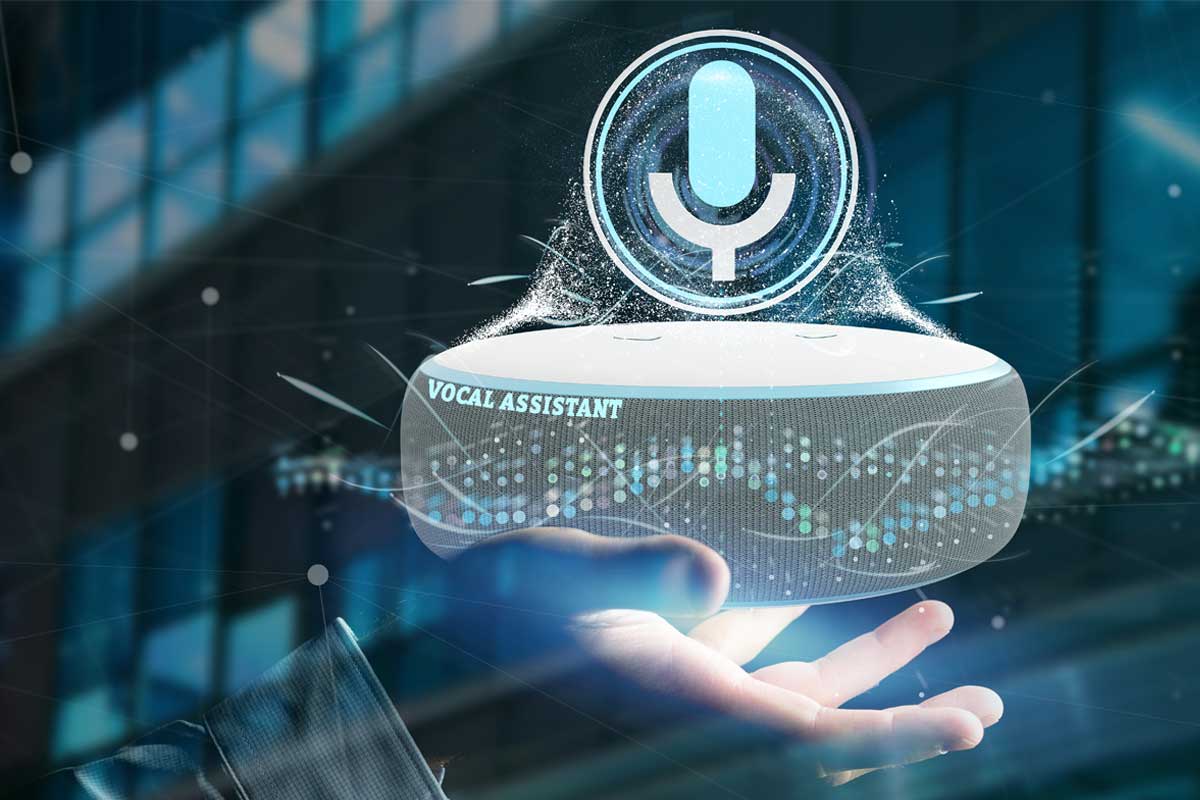
AI voice talk is poised to revolutionize the future of communication, offering personalized experiences, seamless integration across devices, and a shift towards voice-first interactions. As AI technology continues to advance, its impact on how we communicate and interact with each other will only grow.
Personalized and Customized Experiences
AI voice technology enables businesses to deliver personalized and customized experiences to their customers. By analyzing voice data and user preferences, AI systems can tailor interactions to meet individual needs and preferences. This can lead to increased customer satisfaction, loyalty, and engagement.
AI voice assistants can provide personalized recommendations, answer questions in a natural and conversational manner, and even adapt their tone and style to match the user's personality. This level of personalization can create a more engaging and satisfying experience for customers, leading to stronger relationships and increased brand loyalty.
Imagine a travel agency using AI voice technology to help customers plan their vacations. The AI system could analyze the customer's past travel history, preferences, and budget to recommend personalized destinations, activities, and accommodations. It could also answer questions about travel requirements, visa regulations, and local customs.


Messenger