
In the realm of Search Engine Optimization (SEO), keywords are the vital link between your content and the audience searching for what you offer. But success depends on finding the right ones, keyword suggestion serves as your compass, guiding you through search queries to attract targeted traffic, boost rankings, and achieve your online goals.

Keyword Suggestion: A Comprehensive Guide
Understanding the Basics of Keyword Research
Keyword research is the foundational process of identifying the specific words and phrases people use when searching for information online. It involves a deep dive into understanding your target audience, their needs, and the language they use to articulate those needs. This process goes beyond mere guesswork; it requires a systematic approach, utilizing various tools and techniques to uncover valuable search terms.
At its core, keyword research aims to answer several critical questions:
- What are my potential customers searching for?
- How competitive are these search terms?
- What is the search volume for these keywords?
- What is the intent behind these searches?
By answering these questions, you can create a targeted keyword strategy that aligns with your business goals and resonates with your target audience.
The Importance of Keyword Suggestion Tools
Keyword suggestion tools are indispensable resources in the SEO landscape. These tools leverage vast databases of search data to provide you with a wealth of keyword ideas, variations, and related terms. They can help you uncover hidden opportunities, identify trending topics, and gain a competitive edge in your niche. Here are some of the key benefits of using keyword suggestion tools:
- Expanded Keyword Reach: Discover keywords you might not have otherwise considered.
- Data-Driven Insights: Make informed decisions based on search volume, competition, and trends.
- Time Efficiency: Streamline your research process and save valuable time.
- Competitive Analysis: Identify keywords your competitors are targeting.
Long-Tail Keywords and Their Role in SEO
Long-tail keywords are longer, more specific phrases that people use when they are closer to making a purchase or seeking very specific information. These keywords typically have lower search volume but higher conversion rates. Here's why long-tail keywords are crucial for SEO:
- Higher Conversion Rates: They attract a more qualified audience with specific needs.
- Lower Competition: They are easier to rank for compared to broad, generic keywords.
- Improved Relevance: They provide a more precise match for user intent.
By incorporating long-tail keywords into your content strategy, you can attract a highly targeted audience and improve your chances of converting visitors into customers.
Effective Keyword Suggestion Techniques
Using Google Keyword Planner for Keyword Ideas
The Google Keyword Planner is a free tool provided by Google Ads that can be an invaluable asset in your keyword research arsenal. While it's designed for advertisers, it offers a wealth of information that can be used to generate keyword ideas, analyze search volume, and estimate keyword competition. Here's how to leverage Google Keyword Planner for keyword suggestions:
Google Keyword Planner provides valuable insights into keyword performance, helping you make informed decisions about your SEO strategy.
Leveraging Competitor Analysis for Keyword Suggestions
Analyzing your competitors' keyword strategies can provide valuable insights into what's working in your industry. By identifying the keywords your competitors are targeting, you can uncover new opportunities and refine your own keyword strategy. Here's how to leverage competitor analysis for keyword suggestions:
Competitor analysis can help you identify valuable keywords and gain a competitive edge in your industry.
Exploring Alternative Keyword Suggestion Tools
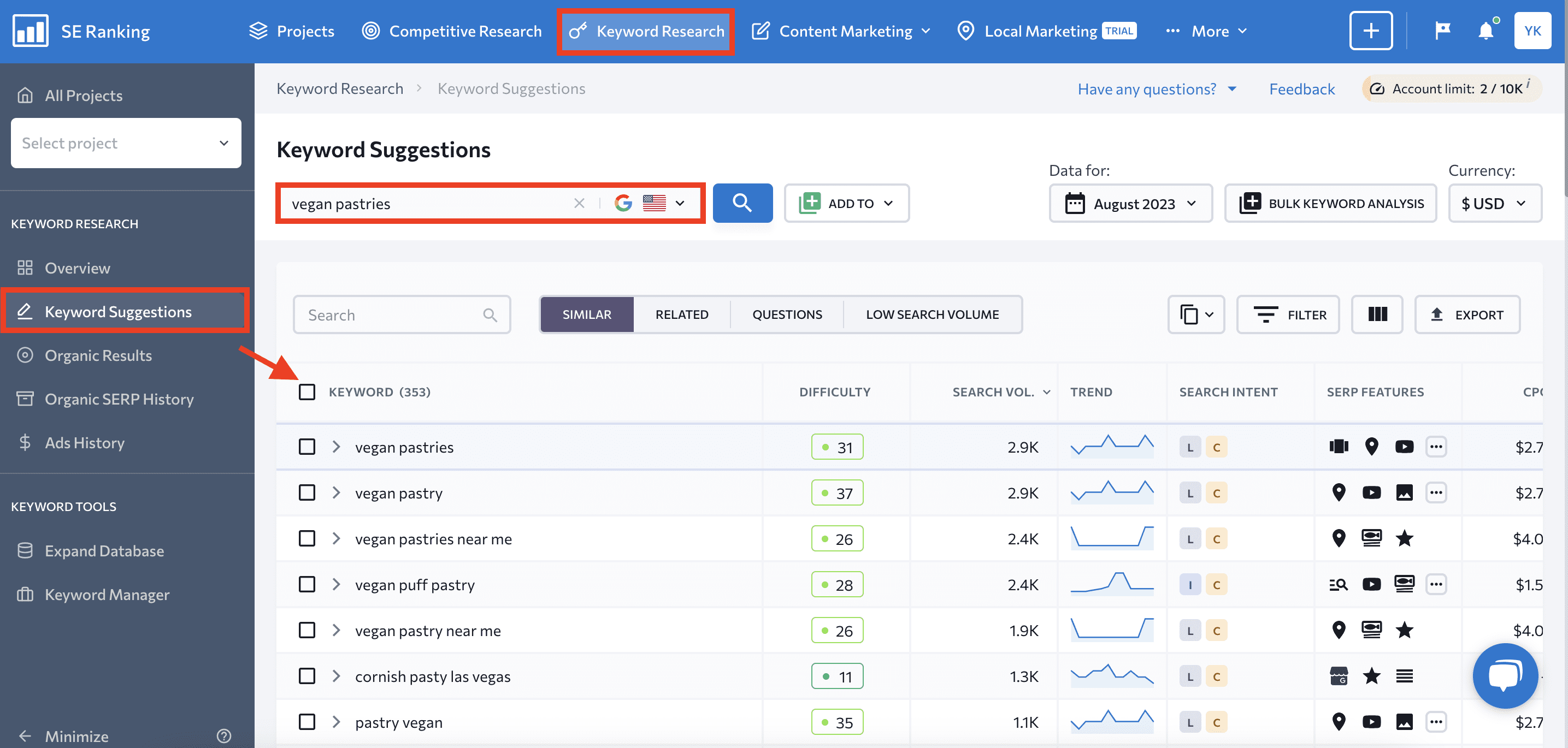
While Google Keyword Planner is a great starting point, there are many other keyword suggestion tools available that offer unique features and benefits. Here are a few alternative tools to consider:
- SEMrush: A comprehensive SEO tool that offers advanced keyword research, competitor analysis, and site auditing features.
- Ahrefs: Another powerful SEO tool that provides detailed keyword data, backlink analysis, and content research capabilities.
- Moz Keyword Explorer: A user-friendly tool that offers keyword suggestions, search volume data, and keyword difficulty scores.
- Ubersuggest: A free tool that provides keyword ideas, content suggestions, and competitor analysis features.
By exploring these alternative tools, you can gain a more comprehensive understanding of the keyword landscape and identify even more opportunities for your SEO strategy.
Implementing Keyword Suggestions for SEO Success
Integrating Keywords into Website Content
Once you've identified your target keywords, the next step is to integrate them strategically into your website content. This involves incorporating keywords into various elements of your website, including:
- Title Tags: Use keywords in your page titles to improve search engine visibility.
- Meta Descriptions: Craft compelling meta descriptions that include relevant keywords.
- Headings and Subheadings: Incorporate keywords into your headings and subheadings to improve readability and SEO.
- Body Content: Naturally integrate keywords into your body content, ensuring it remains engaging and informative.
- Image Alt Text: Use keywords in your image alt text to improve accessibility and SEO.
By strategically integrating keywords into your website content, you can improve your search engine rankings and attract a more targeted audience.
Monitoring Keyword Performance and Making Adjustments
SEO is an ongoing process, and it's essential to monitor your keyword performance and make adjustments as needed. This involves tracking your keyword rankings, website traffic, and conversion rates. Here are some key metrics to monitor:
- Keyword Rankings: Track your keyword rankings in search engine results pages (SERPs).
- Website Traffic: Monitor your website traffic to see how many visitors are coming from organic search.
- Conversion Rates: Track your conversion rates to see how well your keywords are driving leads and sales.
By monitoring these metrics, you can identify areas for improvement and refine your keyword strategy to achieve better results. Regularly analyze your website's performance to see which keywords drive the most valuable traffic.
Avoiding Keyword Stuffing and Other SEO Mistakes
While it's important to integrate keywords into your website content, it's equally important to avoid keyword stuffing and other SEO mistakes. Keyword stuffing involves excessively using keywords in your content in an unnatural or spammy way. This can actually harm your search engine rankings and damage your website's reputation. Here are some other SEO mistakes to avoid:
- Duplicate Content: Avoid publishing duplicate content on your website.
- Thin Content: Create high-quality, informative content that provides value to your audience.
- Broken Links: Regularly check for and fix broken links on your website.
- Slow Page Speed: Optimize your website for speed to improve user experience and search engine rankings.
By avoiding these SEO mistakes, you can ensure that your website is optimized for search engines and provides a positive user experience. Prioritize creating high-quality content that naturally incorporates your target keywords.
In conclusion, mastering keyword suggestion is key to SEO success. By researching effectively, using the right tools, and applying keywords strategically, you can boost rankings, attract targeted traffic, and reach your business goals. Keep monitoring performance, adjust as needed, and stay adaptable to the evolving digital landscape for lasting growth.


Messenger