
The integration of Artificial Intelligence (AI) into Google's search algorithm has revolutionized the way information is accessed and ranked. These AI-driven transformations are not merely incremental changes; they represent a fundamental shift in how search engines understand and respond to user queries. As AI continues to evolve, Search Engine Optimization (SEO) professionals must adapt their strategies to align with these advancements, ensuring their content remains visible and relevant in an increasingly competitive digital landscape. This article delves into the core aspects of how AI is reshaping Google's search algorithm, offers practical SEO strategies for navigating this new terrain, and analyzes the impact of AI on keyword research.

How AI is Reshaping Google's Search Algorithm
Core Algorithm Updates and AI
Google's core algorithm updates are now heavily influenced by AI, particularly through the use of machine learning models like RankBrain and BERT. RankBrain, introduced in 2015, uses machine learning to understand the intent behind search queries and provide more relevant results. BERT (Bidirectional Encoder Representations from Transformers), launched in 2019, further enhances Google's ability to understand natural language by considering the context of words in a sentence. These AI-powered updates enable Google to move beyond simple keyword matching and delve into the semantic meaning of content.
The implications of these updates are profound. Websites must now focus on creating content that is not only informative and engaging but also semantically rich and contextually relevant. This means understanding the nuances of language and catering to the diverse ways users express their queries. For example:
- RankBrain: Analyzes search patterns to refine results over time.
- BERT: Improves understanding of context in queries.
- AI Integration: Enables more accurate matching of content to user intent.
These models continuously learn and adapt, making it crucial for SEO strategies to be equally dynamic. Websites need to demonstrate expertise and authority in their respective fields to gain favor in the search rankings.

E-A-T (Expertise, Authoritativeness, Trustworthiness) and AI
E-A-T, which stands for Expertise, Authoritativeness, and Trustworthiness, has always been a critical factor in Google's ranking algorithm. With the integration of AI, E-A-T has become even more important. Google's AI models are designed to identify and reward content that demonstrates these qualities. Expertise refers to the depth of knowledge presented in the content. Authoritativeness indicates that the website is recognized as a reliable source of information within its industry. Trustworthiness is established through factors such as accurate information, transparent policies, and secure transactions.
To enhance E-A-T:
- Showcase Expertise: Create in-depth, well-researched content.
- Build Authority: Earn backlinks from reputable sources.
- Ensure Trustworthiness: Maintain transparency and accuracy.
The application of AI allows Google to better assess these qualities by analyzing various signals, including the quality of backlinks, the presence of expert endorsements, and the overall reputation of the website. Websites that fail to meet these standards risk being penalized in the search rankings. Therefore, SEO professionals must prioritize E-A-T to ensure their content is recognized as valuable and reliable.
Google’s AI algorithms now scrutinize content for factual accuracy and credibility, meaning that businesses must invest more in establishing a strong reputation. This includes actively managing online reviews, ensuring data privacy, and clearly citing sources to build trust with both users and the search engine.

Mobile-First Indexing and AI Optimization
With the majority of internet users accessing the web via mobile devices, Google has implemented mobile-first indexing, meaning that the mobile version of a website is used for indexing and ranking. AI plays a crucial role in optimizing this process by ensuring that mobile content is not only accessible and user-friendly but also contextually relevant. AI algorithms analyze mobile websites to identify issues such as slow loading speeds, mobile usability problems, and intrusive interstitials.
To optimize for mobile-first indexing:
Furthermore, AI helps in delivering personalized search results on mobile devices by considering factors such as location, browsing history, and device type. This means that SEO strategies must be tailored to the mobile experience, focusing on creating content that is optimized for smaller screens and caters to the specific needs of mobile users. Ignoring mobile optimization can lead to significant drops in search rankings, making it essential for businesses to prioritize mobile-first strategies.
AI's role in mobile-first indexing also extends to understanding voice search queries, which are predominantly made on mobile devices. Optimizing for voice search involves creating content that answers common questions in a conversational tone. This requires a shift in keyword strategy, focusing on long-tail keywords and natural language phrases that users are likely to speak when searching on their mobile devices.
Practical SEO Strategies for an AI-Driven Google
Focusing on High-Quality Content
In an era dominated by AI, the importance of high-quality content cannot be overstated. Google's AI algorithms are increasingly adept at identifying and rewarding content that is original, informative, and engaging. This means that SEO professionals must shift their focus from simply optimizing for keywords to creating content that provides genuine value to users. High-quality content is characterized by:
- Originality: Unique insights and perspectives.
- Relevance: Directly addresses user queries.
- Engagement: Keeps users interested and informed.
To create high-quality content, businesses must invest in thorough research, expert writing, and compelling storytelling. Content should be well-structured, easy to read, and optimized for both humans and search engines. This includes using clear headings, bullet points, and visuals to enhance readability and engagement. Additionally, content should be regularly updated to ensure it remains accurate and relevant. Websites that consistently produce high-quality content are more likely to attract backlinks, improve their search rankings, and establish themselves as authoritative sources within their industry.
Another critical aspect of high-quality content is its ability to satisfy user intent. Google's AI algorithms are designed to understand what users are looking for when they perform a search and deliver results that meet their needs. This means that content must be tailored to address specific user queries and provide comprehensive answers. By focusing on user intent, businesses can create content that not only ranks well in search results but also provides a positive user experience.
Optimizing for Natural Language Queries
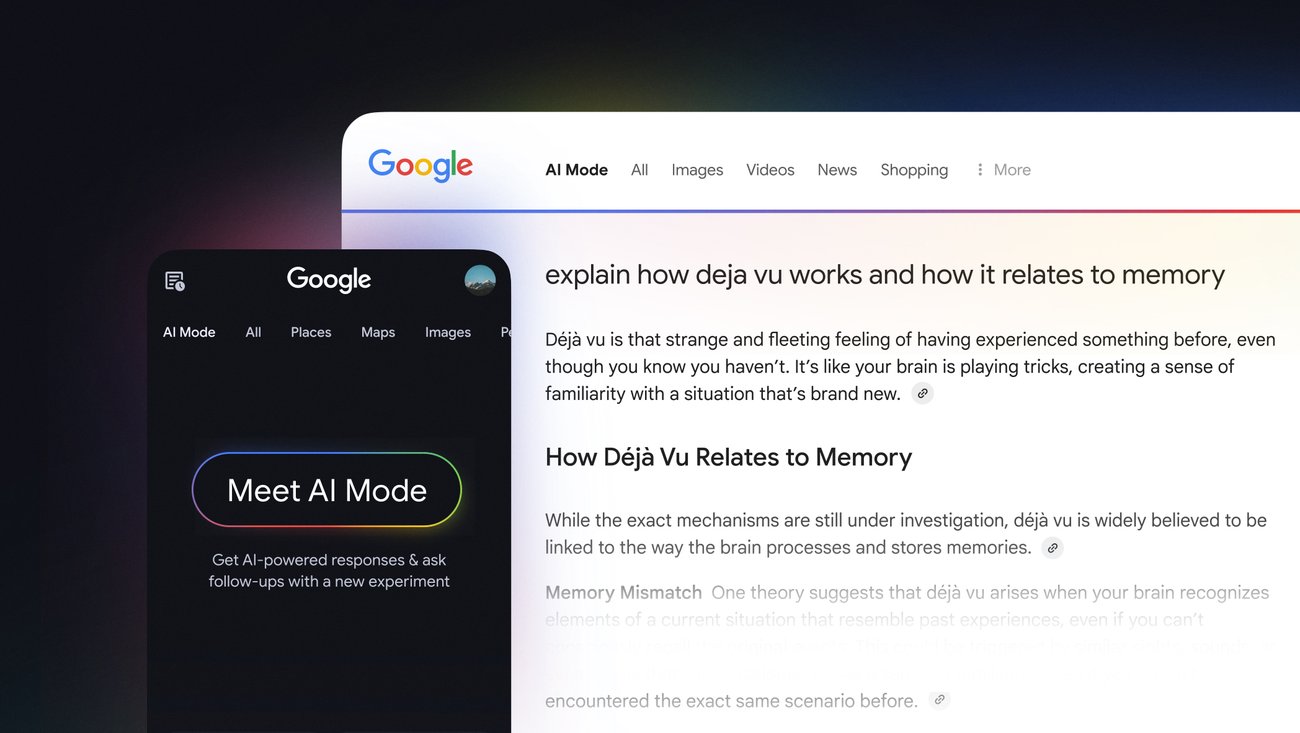
As AI continues to advance, the way users search for information is evolving. Natural language queries, which involve using conversational language to ask questions, are becoming increasingly common. To optimize for natural language queries, SEO professionals must adapt their keyword strategies to focus on long-tail keywords and phrases that closely resemble the way people speak. This requires a shift in mindset from targeting broad, generic keywords to targeting specific, user-generated questions.
To optimize for natural language queries:
Furthermore, optimizing for natural language queries involves understanding the nuances of language and catering to the diverse ways users express their questions. This means considering the context of the query, the user's location, and their previous search history. By understanding these factors, businesses can create content that is highly relevant and personalized to the user's needs.
The rise of voice search has further emphasized the importance of natural language optimization. Voice search queries are typically longer and more conversational than typed queries, making it essential for businesses to optimize their content for spoken language. This involves using natural language processing (NLP) techniques to analyze voice search queries and identify the underlying intent. By understanding the intent behind voice search queries, businesses can create content that provides accurate and concise answers, improving their visibility in voice search results.
Adapting to natural language queries also means embracing a more semantic approach to SEO. Instead of focusing solely on keyword density, SEO professionals should prioritize creating content that is semantically rich and contextually relevant. This involves using synonyms, related terms, and variations of keywords to enhance the semantic meaning of the content. By focusing on semantics, businesses can create content that is not only optimized for search engines but also provides a more engaging and informative experience for users.
This includes optimizing for featured snippets and position zero rankings by directly answering common questions in a clear and concise manner. Creating FAQ pages and using schema markup can also help search engines better understand the content and display it in a more user-friendly format.
Leveraging Structured Data and Schema Markup
Structured data and schema markup provide a way to give search engines more information about the meaning and context of your content. By adding structured data to your website, you can help Google understand the type of content on your pages, such as articles, events, products, or reviews. This can improve the way your content is displayed in search results, making it more visually appealing and informative.
To leverage structured data and schema markup:
- Implement Schema Markup: Use schema.org vocabulary to define content types.
- Validate Markup: Use Google's Rich Results Test to ensure accuracy.
- Monitor Performance: Track the impact of structured data on search rankings.
Schema markup involves adding specific code to your website that tells search engines what your content is about. For example, you can use schema markup to identify the author of an article, the price of a product, or the date of an event. This information can then be displayed in search results as rich snippets, which are enhanced listings that include additional details such as ratings, reviews, and images.
The benefits of using structured data and schema markup are numerous. Rich snippets can improve click-through rates by making your listings more visually appealing and informative. They can also help search engines better understand the content on your pages, which can improve your search rankings. Additionally, structured data can make your content eligible for inclusion in Google's Knowledge Graph, which is a database of facts and information about people, places, and things.
Implementing structured data and schema markup requires a basic understanding of coding and web development. However, there are many tools and resources available to help you get started. Google's Structured Data Markup Helper can guide you through the process of adding schema markup to your website. Additionally, Google's Rich Results Test can help you validate your markup and ensure that it is properly implemented.
By leveraging structured data and schema markup, businesses can enhance their visibility in search results, improve their click-through rates, and provide a more informative experience for users. This makes it an essential strategy for SEO professionals looking to succeed in an AI-driven Google.

Analyzing the Impact of AI on Keyword Research
Long-Tail Keywords and Semantic Search
AI has significantly altered the landscape of keyword research, particularly with the rise of semantic search. Semantic search focuses on understanding the intent and context behind search queries, rather than simply matching keywords. This has led to a greater emphasis on long-tail keywords, which are longer, more specific phrases that users are likely to use when searching for information. AI algorithms analyze long-tail keywords to understand the underlying intent and deliver more relevant results.
To adapt to this shift:
- Focus on User Intent: Understand the goals behind search queries.
- Identify Long-Tail Variations: Use keyword research tools to find specific phrases.
- Create Targeted Content: Address specific user needs with detailed information.
Long-tail keywords are often less competitive than broad, generic keywords, making them an attractive target for SEO professionals. By focusing on long-tail keywords, businesses can attract more qualified traffic to their websites and improve their conversion rates. Additionally, long-tail keywords can help businesses rank for a wider range of search queries, increasing their overall visibility in search results.
The use of AI in keyword research also involves analyzing search patterns and user behavior to identify emerging trends and opportunities. AI algorithms can track the popularity of different keywords over time, identify related terms, and predict future search trends. This information can be used to inform keyword strategies and create content that is aligned with user interests.
Furthermore, AI can help businesses understand the semantic relationships between different keywords and topics. This involves using natural language processing (NLP) techniques to analyze the meaning of words and phrases and identify connections between them. By understanding these semantic relationships, businesses can create content that is not only optimized for specific keywords but also covers a broader range of related topics.
By focusing on long-tail keywords and semantic search, SEO professionals can adapt to the changing landscape of keyword research and create content that is highly relevant and engaging for users. This can lead to improved search rankings, increased traffic, and higher conversion rates.
Relying on AI-driven tools for keyword gap analysis helps businesses identify untapped opportunities by comparing their keyword rankings with those of their competitors, revealing potential areas for improvement and new content ideas.
Understanding User Intent with AI
Understanding user intent is paramount in today's SEO landscape, and AI plays a crucial role in deciphering what users truly seek when conducting a search. Google's AI algorithms are designed to analyze search queries and determine the underlying intent, whether it's informational, navigational, transactional, or commercial. By understanding user intent, businesses can create content that directly addresses the user's needs and provides a positive experience.
To understand user intent with AI:
Informational intent refers to users who are seeking information about a particular topic. Navigational intent involves users who are trying to find a specific website or page. Transactional intent refers to users who are looking to make a purchase or complete a transaction. Commercial intent involves users who are researching products or services before making a purchase.
AI algorithms analyze various signals to determine user intent, including the keywords used in the search query, the user's location, their browsing history, and their device type. This information is then used to deliver search results that are tailored to the user's specific needs and preferences. By understanding these factors, businesses can create content that is highly relevant and personalized to the user's needs.
Furthermore, AI can help businesses identify emerging trends and opportunities by analyzing search patterns and user behavior. AI algorithms can track the popularity of different keywords over time, identify related terms, and predict future search trends. This information can be used to inform content strategies and create content that is aligned with user interests.
By understanding user intent with AI, SEO professionals can create content that is not only optimized for search engines but also provides a more engaging and informative experience for users. This can lead to improved search rankings, increased traffic, and higher conversion rates.

Adapting Keyword Strategies for Voice Search
The increasing popularity of voice search has necessitated a significant shift in keyword strategies. Voice search queries tend to be longer, more conversational, and often phrased as questions. Adapting to voice search requires focusing on natural language, long-tail keywords, and providing direct answers to common questions.
To adapt keyword strategies for voice search:
- Use Natural Language: Optimize for conversational queries.
- Focus on Long-Tail Keywords: Target specific, question-based phrases.
- Provide Direct Answers: Create content that answers common questions clearly.
Voice search queries are typically more specific than typed queries, reflecting the user's desire for quick and accurate answers. This means that SEO professionals must focus on creating content that provides concise and informative answers to common questions. One effective strategy is to create FAQ pages that address specific user inquiries in a clear and direct manner.
Furthermore, optimizing for voice search involves understanding the context of the query and catering to the user's specific needs. This means considering the user's location, their browsing history, and their device type. By understanding these factors, businesses can create content that is highly relevant and personalized to the user's needs.
The use of structured data and schema markup can also improve visibility in voice search results. By adding structured data to your website, you can help Google understand the type of content on your pages and display it in a more user-friendly format. This can make your content more likely to be selected as a voice search result.
By adapting keyword strategies for voice search, SEO professionals can tap into a growing market and improve their visibility in search results. This requires a shift in mindset from targeting broad, generic keywords to targeting specific, user-generated questions. By focusing on natural language, long-tail keywords, and providing direct answers, businesses can create content that is optimized for voice search and provides a positive user experience.
In conclusion, the integration of AI into Google's search algorithm has fundamentally transformed the landscape of SEO. By understanding the core aspects of how AI is reshaping search, implementing practical SEO strategies, and adapting keyword research techniques, businesses can navigate this new terrain and ensure their content remains visible and relevant. Embracing these changes is essential for staying ahead in an increasingly competitive digital world and achieving long-term success.


Messenger