
In today's fast-paced digital landscape, content is king. However, creating high-quality, engaging content consistently can be a significant challenge. This is where AI content writing comes in, offering a revolutionary approach to content creation. This guide will explore the fundamentals of AI content writing, how to maximize your output, and what the future holds for this exciting technology.

The Fundamentals of AI Content Writing
AI Content Writing Explained
AI content writing involves using artificial intelligence to generate written content. This can range from blog posts and articles to social media updates and product descriptions. AI writing tools leverage natural language processing (NLP) and machine learning (ML) algorithms to understand patterns in language and create original content based on user inputs.
These tools analyze vast amounts of text data to learn grammar, style, and tone, enabling them to produce coherent and relevant content. The goal is not to replace human writers entirely but to assist them in streamlining the content creation process.
The benefits of using AI for content writing include increased efficiency, reduced costs, and the ability to generate content at scale. However, it's crucial to understand the capabilities and limitations of AI writing tools to effectively integrate them into your content strategy.
Key Features of AI Writing Software
AI writing software comes packed with features designed to enhance content creation. Here are some of the most important ones:
- Content Generation: Automatically create articles, blog posts, and other forms of written content.
- SEO Optimization: Optimize content for search engines by incorporating relevant keywords.
- Grammar and Spell Check: Ensure content is free of grammatical errors and typos.
- Plagiarism Checking: Verify the originality of the content to avoid plagiarism issues.
- Tone Adjustment: Modify the tone of the content to match the desired brand voice.
- Content Summarization: Condense lengthy articles into shorter summaries.
- Headline Generation: Create engaging and click-worthy headlines.
- Keyword Research: Identify relevant keywords for your content.
These features help streamline the content creation process, allowing writers to focus on more strategic tasks such as content planning and editing.
Setting Up Your AI Writing Tool
Getting started with an AI writing tool typically involves the following steps:
By following these steps, you can effectively set up and use an AI writing tool to create high-quality content.
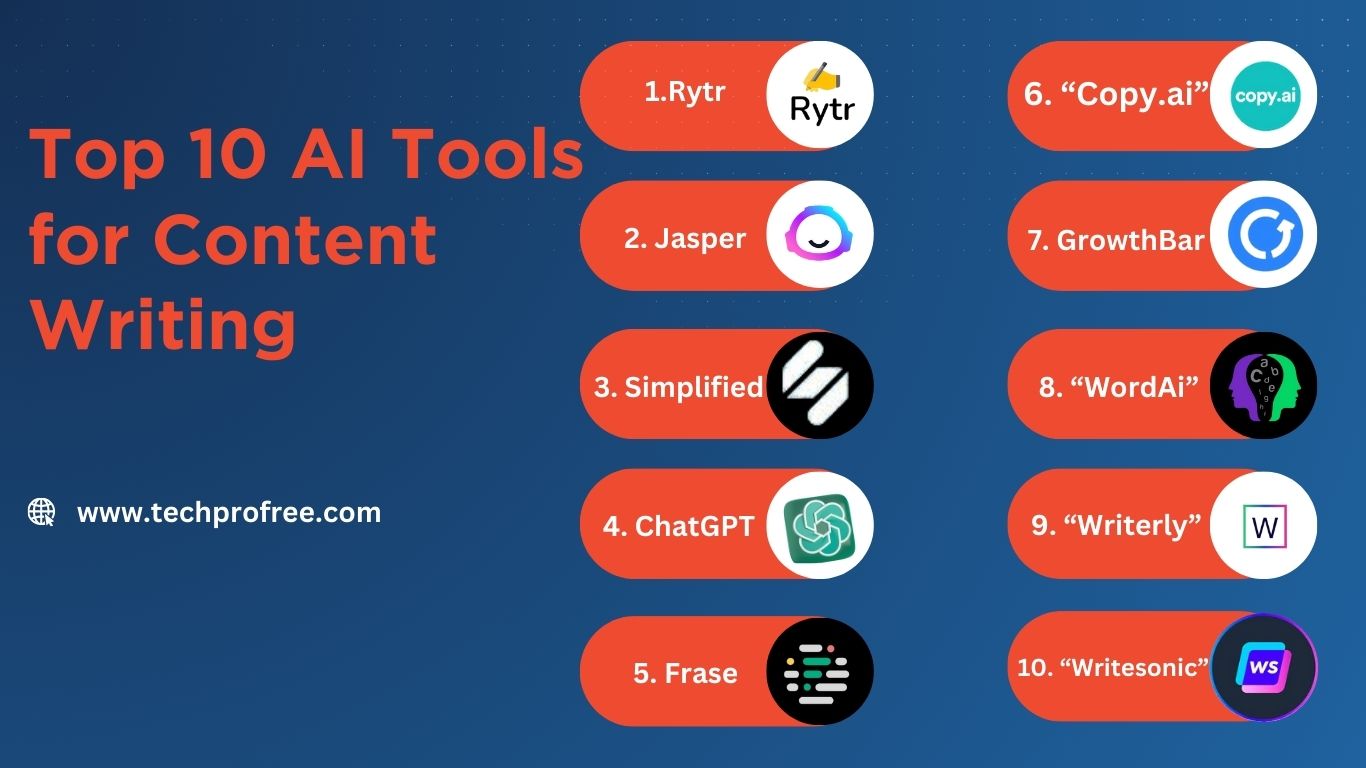
Maximizing Your AI Content Output
Generating High-Quality Content
While AI can generate content quickly, ensuring its quality is crucial. Here are some tips for producing high-quality content with AI:
- Provide Detailed Instructions: The more specific your instructions, the better the AI can understand your requirements and generate relevant content.
- Use Relevant Keywords: Incorporate relevant keywords into your instructions to help the AI create content that is optimized for search engines.
- Review and Edit: Always review and edit the generated content to ensure accuracy, coherence, and originality.
- Add Personal Insights: Incorporate your own insights and experiences to make the content more engaging and unique.
- Use Multiple Tools: Experiment with different AI writing tools to find the ones that work best for your specific needs.
Remember, AI is a tool to assist you, not replace you. By combining AI-generated content with your own expertise, you can create truly high-quality content.
To ensure high-quality content generation, provide the AI with clear guidelines on the target audience, the purpose of the content, and any specific points that need to be covered. This will help the AI create content that is tailored to your needs and resonates with your audience.
Improving SEO with AI
AI can be a powerful tool for improving your SEO efforts. Here are some ways to leverage AI for SEO:
- Keyword Research: Use AI-powered keyword research tools to identify relevant keywords for your content.
- Content Optimization: Optimize your content for search engines by incorporating relevant keywords, meta descriptions, and alt tags.
- Link Building: Use AI to identify link building opportunities and build high-quality backlinks to your website.
- Content Analysis: Analyze your content to identify areas for improvement and optimize it for search engines.
- Rank Tracking: Track your website's rankings in search engine results pages (SERPs) to monitor your SEO progress.
By using AI to automate and streamline your SEO efforts, you can improve your website's visibility and attract more organic traffic.
AI can also help you optimize your content for voice search, which is becoming increasingly important as more people use voice assistants like Siri and Alexa to search for information online. By creating content that is conversational and easy to understand, you can improve your chances of ranking in voice search results.
Avoiding Plagiarism and AI Detection
One of the biggest concerns with AI-generated content is the risk of plagiarism. Here are some tips for avoiding plagiarism and AI detection:
- Use a Plagiarism Checker: Always use a plagiarism checker to verify the originality of the content before publishing it.
- Cite Your Sources: If you use information from other sources, be sure to cite them properly.
- Add Your Own Insights: Incorporate your own insights and experiences to make the content more unique and original.
- Paraphrase Carefully: If you paraphrase content from other sources, be sure to do so carefully and avoid copying the original text too closely.
- Use Multiple Sources: Use multiple sources to gather information and avoid relying too heavily on a single source.
Additionally, be aware that AI detection tools are becoming increasingly sophisticated. To avoid having your content flagged as AI-generated, focus on adding a human touch to the content by incorporating your own insights, experiences, and opinions.
It's also important to vary the sentence structure and writing style of your content to make it sound more natural and less robotic. Experiment with different types of sentences, such as simple, compound, and complex sentences, to create a more engaging and dynamic reading experience.
The Future of Content Creation with AI
AI and Human Collaboration
The future of content creation is likely to involve a collaborative approach between AI and human writers. AI can handle the more repetitive and time-consuming tasks, such as generating basic content and optimizing it for SEO, while human writers can focus on more strategic and creative tasks, such as developing content ideas and adding personal insights.
By working together, AI and human writers can create content that is both high-quality and efficient. This collaborative approach can also help to reduce costs and increase productivity.
In this collaborative model, human writers will serve as editors and curators, ensuring that the AI-generated content aligns with the brand's voice and values. They will also be responsible for adding the human touch that is essential for creating engaging and relatable content.
Evolving AI Technologies
AI technologies are constantly evolving, and we can expect to see even more advanced AI writing tools in the future. These tools will be able to generate content that is even more human-like and tailored to specific audiences.
Some of the emerging AI technologies that are likely to impact content creation include:
- Generative Pre-trained Transformer 3 (GPT-3): A powerful language model that can generate high-quality content on a wide range of topics.
- Natural Language Generation (NLG): A technology that can automatically generate natural language text from structured data.
- Deep Learning: A type of machine learning that can be used to train AI models to generate more sophisticated and nuanced content.
As these technologies continue to evolve, they will enable AI writing tools to become even more powerful and versatile.

The Impact on Content Marketing
AI is already having a significant impact on content marketing, and this impact is only likely to grow in the future.
Some of the ways that AI is impacting content marketing include:
- Increased Efficiency: AI can automate many of the tasks involved in content marketing, such as content generation, SEO optimization, and social media posting.
- Reduced Costs: AI can help to reduce the costs of content marketing by automating tasks and reducing the need for human labor.
- Improved ROI: AI can help to improve the return on investment (ROI) of content marketing by optimizing content for search engines and improving engagement.
- Personalized Content: AI can be used to create personalized content that is tailored to the specific interests and needs of individual customers.
As AI continues to evolve, it will become an even more essential tool for content marketers. By embracing AI and learning how to use it effectively, content marketers can gain a competitive advantage and achieve better results.
The integration of AI into content marketing workflows is also driving the need for new skills and roles within marketing teams. Content marketers will need to develop expertise in areas such as AI prompt engineering, data analysis, and machine learning to effectively leverage AI-powered tools and technologies.
In conclusion, AI content writing is transforming the way content is created and consumed. It offers numerous benefits, including increased efficiency, reduced costs, and improved SEO. By understanding the fundamentals of AI content writing and following the tips outlined in this guide, you can harness the power of AI to create high-quality content that drives results. As AI technologies continue to evolve, it's crucial to stay informed and adapt your content strategy to leverage the latest advancements. The future of content creation is here, and it's powered by AI.


Messenger